
HIPAA-Compliant Technology: How Secure Infrastructure Protects Healthcare Revenue & Patient Data

Why HIPAA Compliance Is No Longer Optional — It’s Foundational
In the modern U.S. healthcare ecosystem, digital transformation has improved efficiency but also exposed organizations to unprecedented cybersecurity risks. Patient financial data, protected health information (PHI), and electronic health records (EHRs) are prime targets for cybercriminals.
More than 120 million individuals were affected by healthcare breaches in the past year alone — a number driven by ransomware, phishing, insecure third-party systems, and poorly protected revenue cycle workflows.
For healthcare organizations, compliance with the Health Insurance Portability and Accountability Act (HIPAA) is not simply a checklist—it is a comprehensive framework that safeguards patient trust, ensures payment continuity, and protects organizations from financial and legal consequences.
At Impact Innovations, we built our entire revenue cycle management (RCM) ecosystem around HIPAA-compliant technology. This article explains the essential components of HIPAA-compliant infrastructure, why it matters for U.S. healthcare providers, and how secure RCM platforms support safer, faster, and more reliable financial outcomes.
Understanding HIPAA: The Foundation of Secure Healthcare Technology
HIPAA governs how healthcare data is collected, transmitted, stored, and accessed. It applies to hospitals, clinics, physician groups, laboratories, diagnostic centers, and third-party vendors (like RCM companies) that handle PHI.
HIPAA has three major rules that impact technology infrastructure:
1. The Privacy Rule
Defines how PHI is used and disclosed. Only authorized individuals can access or share patient data.
2. The Security Rule
Outlines required safeguards for protecting electronic PHI (ePHI), including:
Administrative safeguards
Physical safeguards
Technical safeguards
This rule is the backbone of healthcare cybersecurity.
3. The Breach Notification Rule
Requires organizations to notify patients, HHS, and sometimes the media if a breach occurs.
Non-compliance carries penalties that can exceed millions of dollars.
The Rising Cybersecurity Threat in U.S. Healthcare
Healthcare has become the most targeted industry for cyberattacks. Why? Because PHI is up to 50 times more valuable on the black market than credit card data.
Common vulnerabilities include:
Outdated software and servers
Weak or shared passwords
Insecure communication channels
Unencrypted claim files
Lack of role-based access
Vendor systems that do not meet HIPAA standards
For RCM operations, even a minor exposure—such as a misplaced EOB or insecure email—can trigger a HIPAA investigation.
This is why healthcare providers are increasingly partnering with RCM companies like Impact Innovations that offer fully compliant, encrypted, secure infrastructure across every workflow.
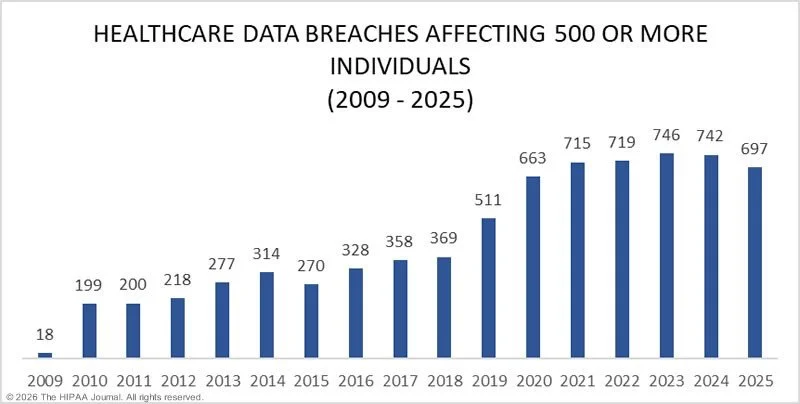
HIPAA-Compliant Technology: What It Really Means
Many companies claim to be HIPAA-compliant, but true compliance requires rigorous, well-designed infrastructure. The following sections detail the core components of HIPAA-compliant technology and how they protect healthcare providers.
1. Secure Systems with Encryption at Every Level
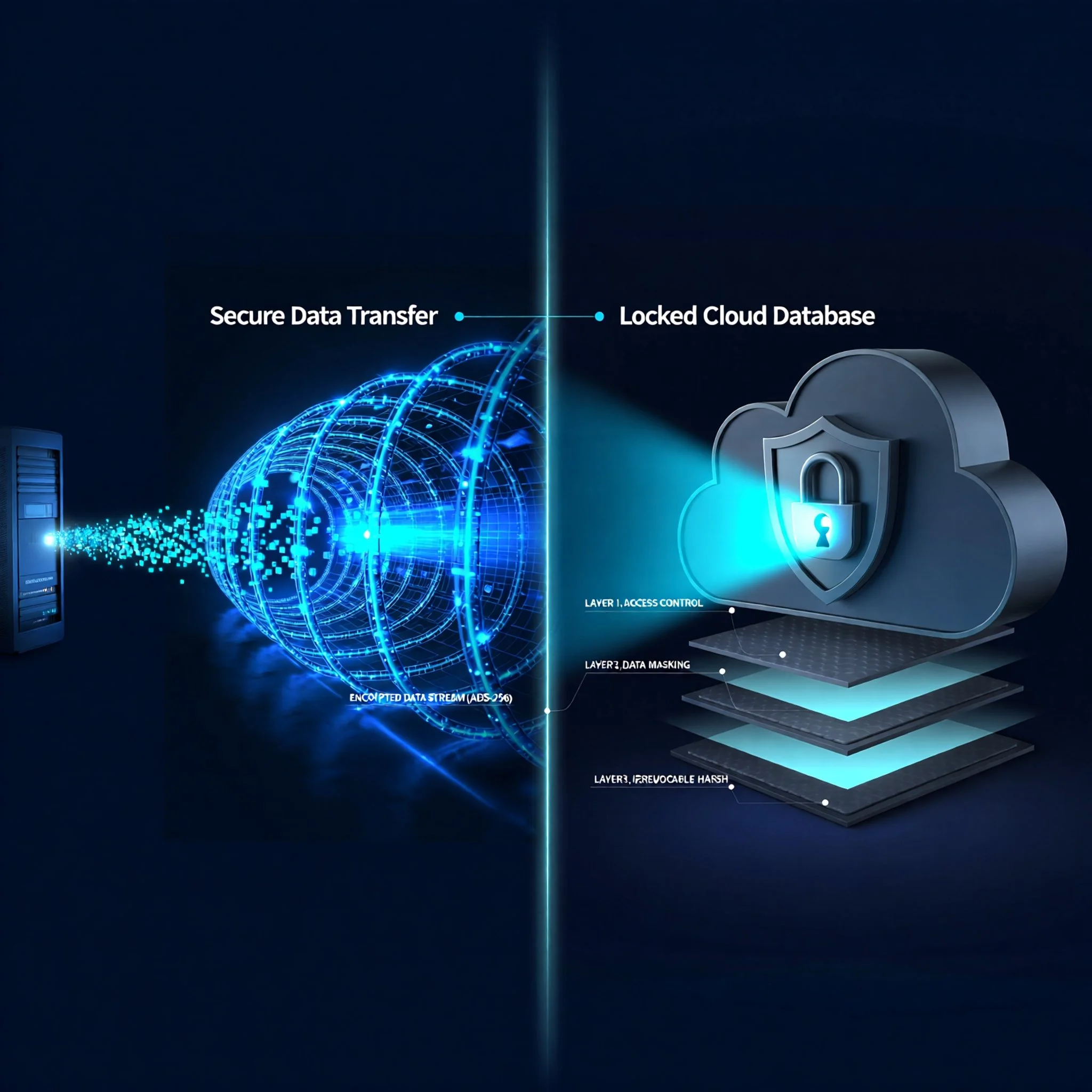
Encryption is one of the most essential requirements of the HIPAA Security Rule — and one of the most powerful tools for preventing data breaches.
Encryption in Transit
Every piece of patient data transmitted between systems (EHR → billing → clearinghouse → payer) must be encrypted using secure protocols such as:
TLS 1.2 and above
HTTPS
VPN-secured channels
This ensures hackers cannot intercept PHI during transmission.
Encryption at Rest
Stored data — such as claim files, payment ledgers, documents, and patient records — must remain encrypted using:
AES-256 encryption
Encrypted cloud storage
Restricted database access
If a server or device is stolen, encrypted data remains unreadable and unusable.
At Impact Innovations, all RCM workflows use full-stack encryption, ensuring no PHI is ever transmitted or stored in an unprotected format.
2. HIPAA-Compliant Infrastructure & Servers
Technology infrastructure includes all the physical and digital systems PHI passes through. To be compliant, the infrastructure must include:
Secure Cloud Hosting
Leading HIPAA-compliant cloud environments (AWS, Azure, GCP) include:
Firewall protection
Multi-zone failover
Real-time monitoring
Automatic encryption
Secure backups
These environments meet or exceed federal compliance standards.
Restricted Access Servers
Only authorized personnel can access servers or databases, using:
Role-based access control (RBAC)
Multi-factor authentication
Session timeouts
Device-level authentication
This prevents internal threats — which make up 30% of healthcare breaches.
Automated Backups & Disaster Recovery
HIPAA requires clear continuity plans in the event of:
Natural disasters
System failures
Cyberattacks
Data corruption
Impact Innovations maintains redundant backups and rapid failover systems to ensure uninterrupted billing and claim operations.
3. Encrypted Communication Channels (No Exceptions)
HIPAA strictly prohibits transmitting PHI over:
Standard email
Unencrypted messaging apps
Personal devices
Open Wi-Fi
To remain compliant, all communication channels must be secure.
Secure Email & Messaging
HIPAA-compliant email solutions include:
Encrypted email gateways
Secure portals
Audit logs
Controlled access
This ensures all documents, claims, and attachments remain protected.
Secure File Transfers
Secure file transfer protocols (SFTP), encrypted cloud storage, and protected upload portals prevent unauthorized access when transmitting patient records.
Protected Provider–RCM Communication
Impact Innovations uses encrypted communication channels across:
Client messaging
File sharing
Reporting dashboards
Support tickets
No PHI ever travels through an insecure platform.
4. Audit Trails & Activity Monitoring
HIPAA requires detailed tracking of:
Who accessed PHI
When it was accessed
Which actions were taken
Which records were viewed or modified
These trails protect organizations from internal breaches and unauthorized access.
Impact Innovations maintains complete logs across all platforms, allowing:
Real-time monitoring
Incident detection
Traceable forensic investigation
Compliance reporting
This level of transparency reduces risk and strengthens trust.
5. Role-Based Access Control (RBAC)
Not every employee should have access to all patient information.
RBAC enforces access based on:
Job role
Task requirements
Authorization level
For example:
Coders only see necessary documentation
AR specialists only see claim and payment data
Managers only see analytics and reporting
This protects organizations from unnecessary exposure and insider threats.
Impact Innovations enforces strict RBAC roles to ensure the minimum access required for each function.
6. Secure Claim Processing & RCM Tools
Revenue cycle operations involve multiple touchpoints:
Patient registration
Eligibility verification
Coding
Documentation review
Claim creation
Submission
Payments
AR follow-up
Denial management
Each step must remain HIPAA-compliant.
Impact Innovations uses:
Encrypted billing platforms
Secure clearinghouse connections
Protected payer portals
Encrypted RCM communication
Secure document management systems
This ensures the entire RCM cycle remains protected end-to-end.
7. Regular HIPAA Audits, Risk Assessments, and Compliance Reviews
HIPAA requires routine evaluations, including:
Vulnerability scans
Technical safeguards review
Administrative policy evaluation
Physical security inspection
Workforce compliance checks
These audits identify weaknesses before a breach occurs.
Impact Innovations performs continuous internal audits and aligns systems with:
HIPAA (all three rules)
HITECH Act
CMS guidelines
NIST cybersecurity framework
This guarantees our infrastructure stays compliant as regulations evolve.
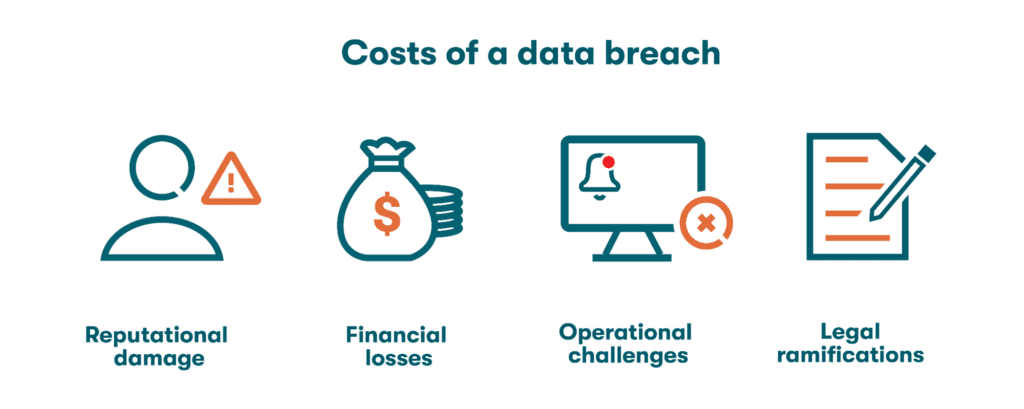
The Cost of Non-Compliance in the U.S. Market
HIPAA violations can cost between $127 to $60,000 per record exposed, with total penalties often exceeding millions of dollars.
Additional consequences include:
Federal investigations
Loss of trust
Contract termination
Business disruption
Legal liability
Permanent reputational damage
For healthcare providers, partnering with a HIPAA-compliant RCM company minimizes both operational and legal risk.
How HIPAA-Compliant Technology Improves Revenue Cycle Management
Beyond security, HIPAA-compliant infrastructure enhances financial outcomes.
1. Fewer disruptions = faster payments
Breaches cause downtime, system locks, and manual workarounds that delay claim submission.
2. Better accuracy and reduced rejections
Secure systems validate data integrity, reducing claim errors.
3. Higher payer trust
Payers expect compliance. Secure systems improve collaboration and reduce audit risk.
4. Smooth provider onboarding
HIPAA-compliant workflows accelerate the setup of new providers, labs, and clinics.
5. Reduced administrative burden
Automation and structured controls simplify processes.
6. Stronger financial resilience
Secure, redundant systems ensure uninterrupted cash flow.
Impact Innovations’ technology stack is designed not just for compliance, but for operational efficiency and financial performance.
How Impact Innovations Helps Healthcare Providers Stay Fully Compliant
Impact Innovations provides a complete HIPAA-compliant RCM environment, including:
Encrypted billing and claims technology
Secure cloud infrastructure
Protected provider communication
Role-based access control
Audit logs and reporting
Data redundancy and disaster recovery
Staff trained in HIPAA and data privacy
Continuous security assessments
Our clients gain a safer, faster, and more resilient revenue cycle — backed by industry-leading compliance standards.
Conclusion: Secure Technology Is Now a Revenue Strategy
For U.S. healthcare providers, HIPAA compliance is no longer simply a requirement—it is a competitive advantage. Secure, encrypted, well-designed infrastructure protects patient trust while ensuring uninterrupted cash flow and operational stability.
With cyberattacks increasing across the healthcare industry, organizations that rely on outdated, unprotected systems face enormous risk.
Impact Innovations gives providers the confidence of knowing their financial operations are supported by secure, compliant, and modern RCM technology.
Ready to Strengthen Your RCM Security?
HIPAA compliance begins with choosing the right partner.
Impact Innovations provides fully encrypted, secure, and compliant RCM solutions built for the U.S. healthcare market.
